


 :info@hutongglobal.com
 :hutongglobal
 About Us
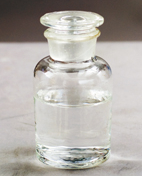
Trichloroethylene |
|
 |
|
Item : |
|
Details :Trichloroethylene (TCE)
Name:Trichloroethylene, 1,1,2-Trichloroethene, 1,1-Dichloro-2-Chloroethylene, 1-Chloro-2,2-Dichloroethylene, Acetylene Trichloride, TCE, Trethylene, Triclene, Tri, Trimar, Trilene Trade Names: Acetylene trichloroethylene, Algylen, Anameth, Benzinol, Chlorilen, CirCosolv, Germalgene, Lethurin, Perm-a-chlor, Petzinol, Philex, TRI-Plus M and Vitran Use: Solvent UsesUp until 1977, trichloroethylene had direct uses for the human body. Used as a general anesthetic, skin wound and surgical disinfectant, and spice in coffee, human beings were ingesting and relying on trichloroethylene to sanitize their injuries. In 1977, these uses of trichloroethylene were banned by the FDA for their harm. Existing regulation[edit]Until recent years, the US Agency for Toxic Substances and Disease Registry (ATSDR) contended that trichloroethylene had little-to-no carcinogenic potential, and was probably a co-carcinogen—that is, it acted in concert with other substances to promote the formation of tumors. Half a dozen state, federal, and international agencies now classify trichloroethylene as a probable carcinogen. The International Agency for Research on Cancer considers trichloroethylene a Group 2A carcinogen, indicating that it considers it is probably carcinogenic to humans.[46] California EPA regulators consider it a known carcinogen and issued a risk assessment in 1999 that concluded that it was far more toxic than previous scientific studies had shown. In the European Union, the Scientific Committee on Occupational Exposure Limits (SCOEL) recommends an exposure limit for workers exposed to trichloroethylene of 10 ppm [54.7 mg/m3] for 8-hour TWA and of 30 ppm [164.1 mg/m3] for STEL (15 mins).[47] Existing EU legislation aimed at protection of workers against risks to their health (including Chemical Agents Directive 98/24/EC[48] and Carcinogens Directive 2004/37/EC[49]) currently do not impose binding minimum requirements for controlling risks to workers health during the use phase or throughout the life cycle of trichloroethylene. However, in case the ongoing discussions under the Carcinogens Directive will result in setting of a binding Occupational Exposure Limit for trichloroethylene for protection of workers, this conclusion may be revisited. The Solvents Emissions Directive 1999/13/EC[50] and Industrial Emissions Directive 2010/75/EC[51] impose binding minimum requirements for emissions of trichloroethylene to the environment for certain activities, including surface cleaning. However, the activities with solvent consumption below a specified threshold are not covered by these minimum requirements. According to European regulation, the use of trichloroethylene is prohibited for individuals at a concentration greater than 0.1%. In industry, trichloroethylene should be substituted before April 21, 2016 (unless an exemption is requested before October 21, 2014)[52] by other products such as tetrachloroethylene (perchloroethylene), methylene chloride (dichloromethane), or other hydrocarbon derivatives (ketones, alcohols, ...)
|
|
 |
[Next] [Previous] |
|
